
The Appeal of Casino Games
Casino games are designed to captivate players from the moment they step into the environment. The bright lights, engaging sounds, and visually stimulating graphics create an atmosphere that encourages extended play. This careful orchestration of sensory input is rooted in psychological principles; it draws players in and keeps their interest piqued. By appealing to the senses, casino designers tap into emotional responses that enhance the overall gaming experience, which can include some intriguing options such as non gamstop betting sites.
Moreover, the unpredictable nature of games like slot machines and table games fuels excitement and anticipation. The psychological principle of variable rewards, where players receive rewards at random intervals, reinforces the desire to keep playing. This unpredictability creates a sense of hope and enhances the thrill, making players more likely to return for more, even if they experience losses.
Game Mechanics and Player Engagement
Game mechanics play a significant role in how players engage with casino games. Features such as jackpots, bonus rounds, and progressive payouts are specifically designed to maintain interest and motivation. These mechanics often foster a sense of accomplishment, as players can track their progress towards a goal, such as hitting a big jackpot. This sense of achievement can stimulate a dopamine release in the brain, reinforcing the enjoyment of playing. The combination of engaging mechanics and rewarding experiences makes the games particularly appealing.
Additionally, many games incorporate elements of competition, either against the house or among players. This competitive aspect taps into human instincts for social interaction and status, further enhancing engagement. The thrill of competing for a prize can lead to longer gaming sessions and increased spending, as players strive to outperform others, creating a deeper emotional attachment to the games.
The Role of Reward Systems
Understanding how reward systems function in casino games is crucial to grasping their psychological impact. Casinos use various types of rewards, from monetary payouts to loyalty points and freebies, to encourage repeat play. The use of both intrinsic and extrinsic rewards caters to a wide range of player motivations. For instance, while some players may be driven by the thrill of winning, others may appreciate the social aspect of group games or the ambiance of the casino floor. The strategies employed in reward systems can significantly influence player behavior over time.
These reward systems are often tailored to maximize player retention. By offering incentives, casinos create a feedback loop where players feel motivated to return, contributing to the game’s overall success. The psychological allure of potential rewards ensures a captivating experience, which can make it hard for players to resist the temptation to return to their favorite games.
The Concept of Loss Aversion
Loss aversion is a key psychological principle that influences player behavior in casinos. Research indicates that individuals tend to prefer avoiding losses rather than acquiring equivalent gains. This principle is employed in game design to keep players engaged even after losing streaks. By emphasizing the potential for a comeback, game designers can maintain player participation, as the desire to ‘win back’ lost money often overshadows the rational assessment of the odds.
This psychological strategy is frequently evident in the design of casino promotions and game layouts, which highlight winning moments while downplaying losses. Such tactics can create an illusion of control, making players believe they are closer to winning, thus reinforcing their commitment to the game even amid financial setbacks.
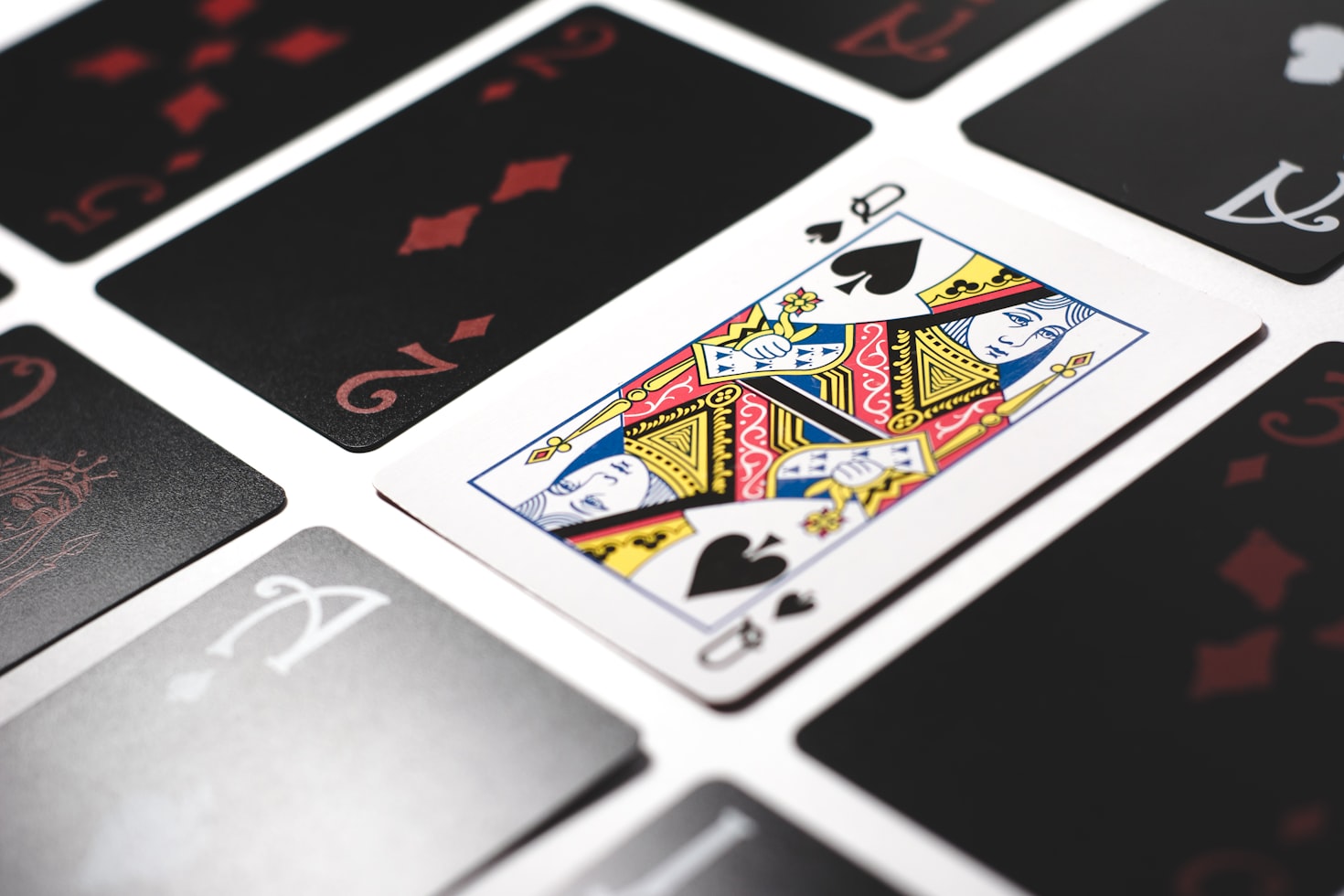
Exploring the Psychological Impact of Casinos
The exploration of psychological design in casinos reveals the intricate methods used to enhance player experience and prolong engagement. Casinos aim to create environments tailored to their audience, leveraging psychology to craft experiences that keep players coming back. Through a blend of sensory stimulation, rewarding mechanics, and an understanding of human behavior, casino games are developed to maximize both enjoyment and profit.
This website serves as a valuable resource for those interested in the deeper layers of casino game design. Although access may currently be restricted, users can look forward to a wealth of information and tools aimed at enriching their understanding of gambling psychology. For further assistance or to delve into more content, exploring other sections of the site is encouraged. The site is dedicated to fostering a comprehensive understanding of the complex dynamics at play in casino environments.